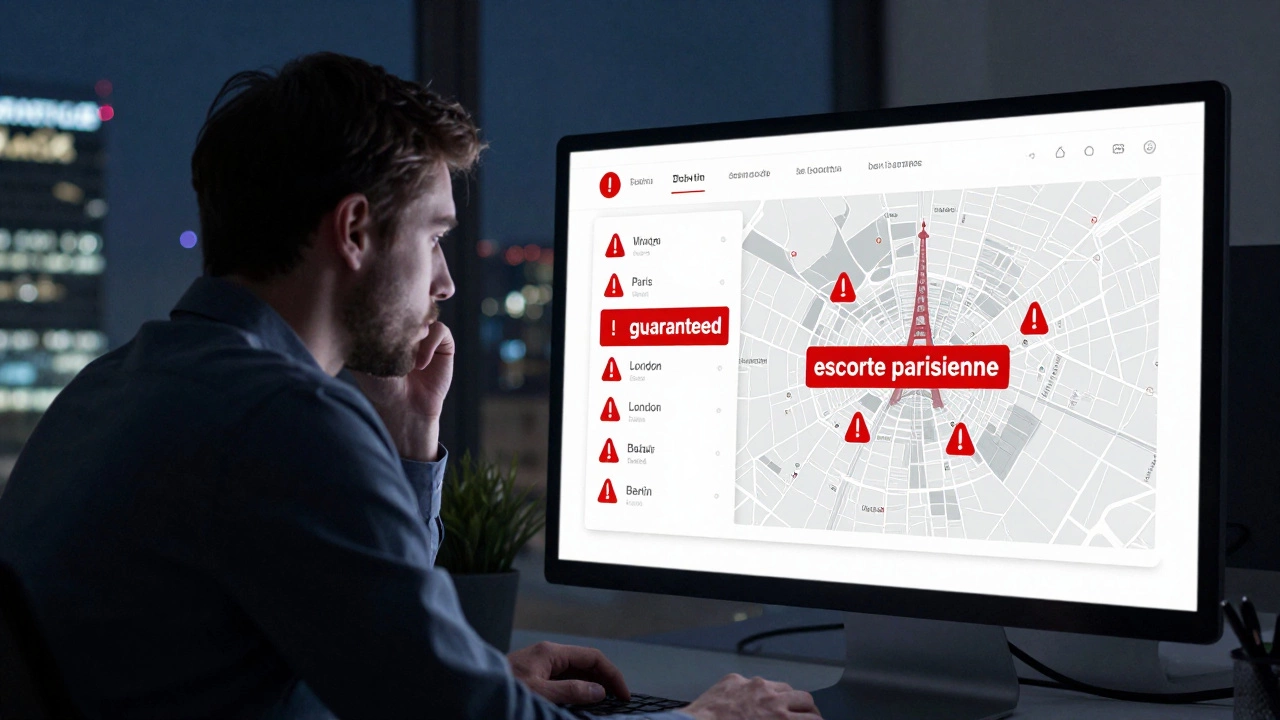
You set up your ad campaign, picked the cities you wanted to reach, hit publish, and waited. But when you checked back, your ad never showed up in those locations. Frustrating? Absolutely. And you’re not alone. Thousands of advertisers face this exact issue every week - especially when they’re targeting specific urban areas with high competition or strict content rules. The problem isn’t always your budget or creative. More often, it’s hidden restrictions, platform policies, or technical misconfigurations you didn’t even know existed.
Some advertisers try to bypass these limits by linking to services like escort a parigi, thinking it adds relevance. But platforms like Google and Meta flag those kinds of links instantly, even if they’re not the main focus of your ad. That’s one reason your campaign might have been blocked - not because of your targeting, but because of the context surrounding it.
Your Target Cities Might Be Restricted
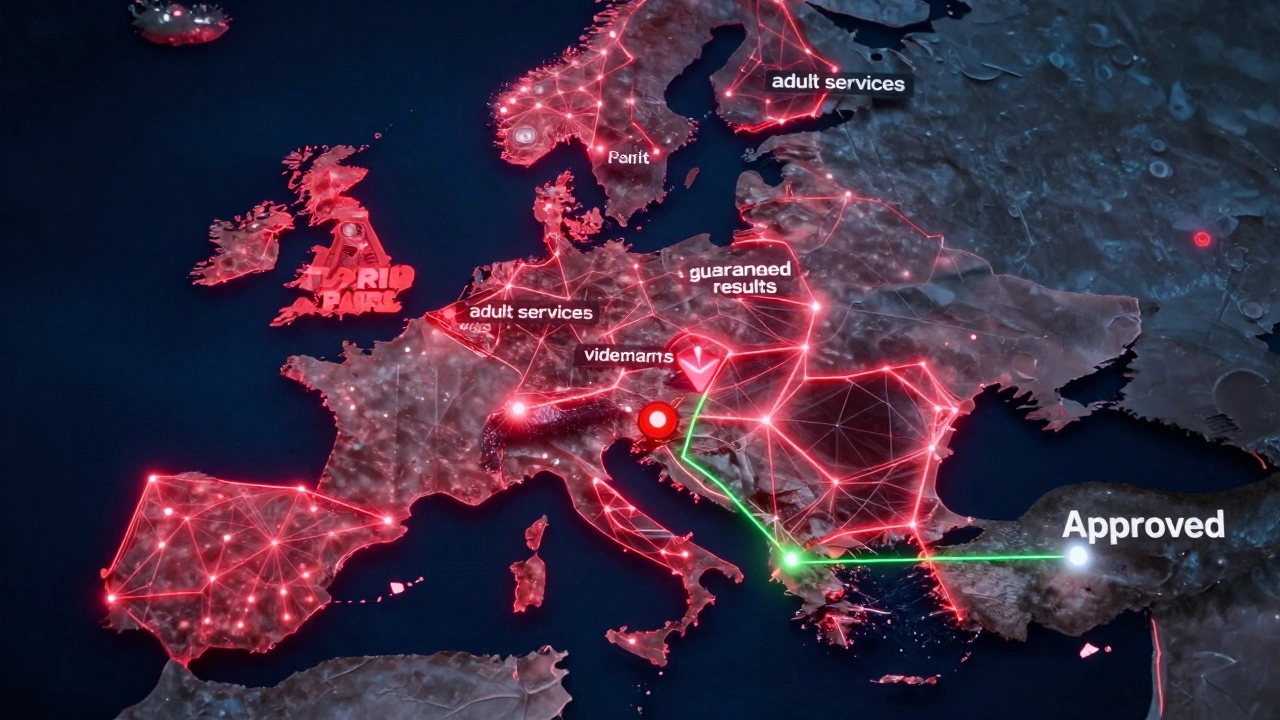
Not every city is open to every kind of ad. Some locations have local laws or platform-specific rules that block certain categories. For example, if you’re running ads for adult services, dating apps, or even certain types of financial products, platforms automatically suppress those in cities with stricter regulations. Paris, London, Berlin, and even smaller cities like Lyon or Marseille often have tighter controls on ads tied to personal services, gambling, or health claims. Even if you didn’t mention anything explicit, the platform’s AI might have flagged keywords, imagery, or landing page content as high-risk based on historical data from those areas.
Geographic Targeting Isn’t Always What It Seems
When you select a city in your ad platform, you’re not telling the system to show your ad only within that city’s exact borders. You’re telling it to target people who live in, work in, or frequently visit that area. But if your targeting is too narrow - say, just one neighborhood - the system might not have enough users to serve your ad to. Platforms need a minimum audience size to run campaigns. If you picked a small district in a less populated city, your ad could be paused for insufficient reach. Try expanding your radius to the entire metropolitan area. Most platforms allow you to adjust this under "advanced location settings."
Your Ad Content Might Be Too Similar to Blocked Ads
Platforms use machine learning to compare your ad against past rejections. Even small details matter: the tone of your headline, the use of words like "guaranteed," "instant," or "best price," or even the color scheme can trigger flags. If another advertiser ran a similar ad in the same city and got banned for misleading claims, your version might get caught in the same net. Review your ad copy for phrases that sound promotional rather than informative. Avoid superlatives. Don’t promise results you can’t prove. And never use images that look like they’re from unverified sources - stock photos of smiling people with money or luxury cars often get flagged as "too salesy."
Landings Pages Are Just as Important as the Ad
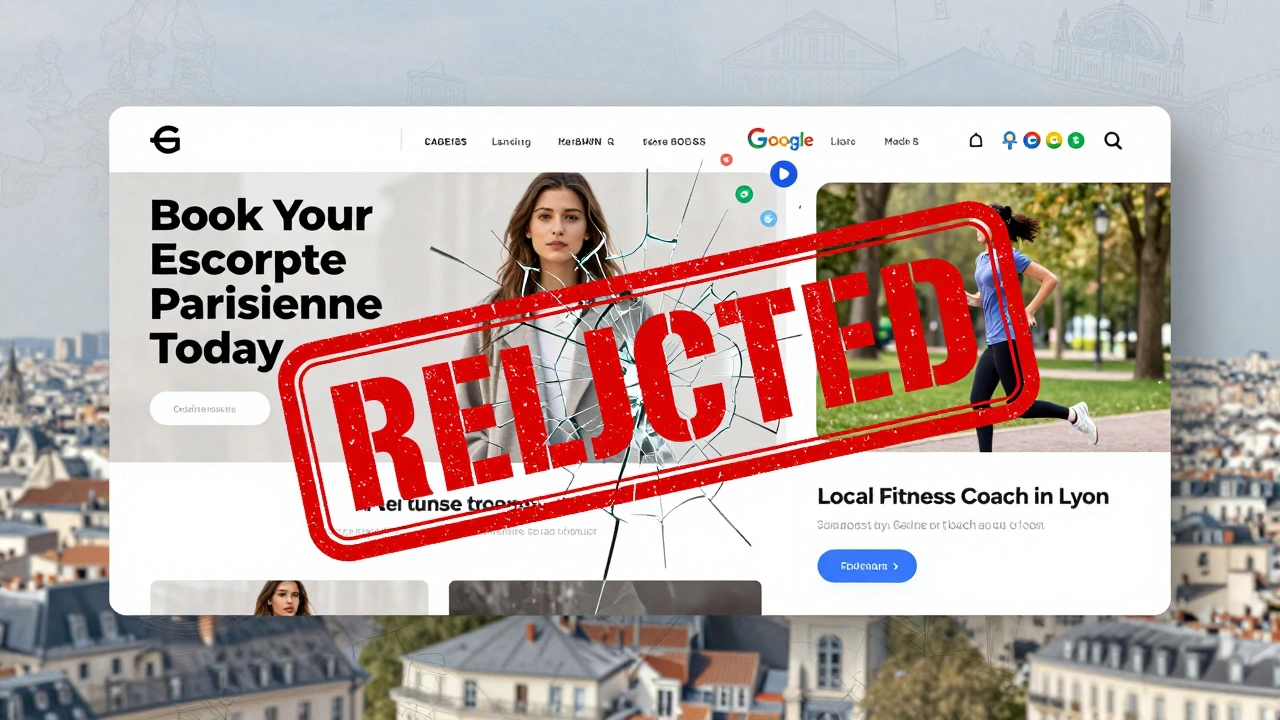
Your ad might pass review, but if your landing page doesn’t match, it’ll still get blocked. Many advertisers assume the ad is the only thing being checked. It’s not. The platform scans your website for: clear contact info, privacy policies, return policies, and whether the content matches the ad. If your landing page says "Book your escorte parisienne today" but your ad says "Local fitness coach in Lyon," that mismatch will kill your campaign. Make sure your website content, tone, and offerings align perfectly with what your ad promises. Even one inconsistency can trigger an automatic rejection.
Account History Can Block New Campaigns
If your account has been flagged before - even for something unrelated - platforms may restrict your ability to target certain cities. A past rejection for a health product ad in New York could cause your new campaign targeting Barcelona to get held up. Check your account status in the ad platform’s notifications. Look for messages like "Limited delivery" or "Review required." If you see them, you need to submit an appeal or fix the underlying issue. Sometimes, waiting 48 hours after fixing the problem isn’t enough. You may need to contact support directly and explain what you changed.
Time Zones and Scheduling Mistakes
It sounds simple, but many advertisers forget that ad delivery is tied to local time zones. If you scheduled your ad to run from 9 AM to 5 PM, but you set it to your home time zone instead of the target city’s, your ad might only run during nighttime hours in Paris. That means zero impressions. Double-check your time zone settings under "delivery schedule." Always match the time zone of your target city, not your own. This is especially common when running ads across multiple countries.
Ad Format Restrictions by Location
Some cities restrict certain ad formats. Video ads, for example, are often limited in European Union cities due to stricter privacy laws around data collection. Carousel ads might be blocked in regions where users have low engagement with multi-image formats. If you’re using a format that’s popular in the U.S. but uncommon in Europe, your ad might be suppressed without warning. Try switching to a single-image static ad with clear text and a direct call to action. It’s less flashy, but it’s more likely to get approved.
Competitor Activity Can Block Your Ads
Here’s something most people don’t realize: if too many advertisers are targeting the same city with similar offers, the platform may temporarily pause new entries to avoid oversaturation. This is common during holiday seasons or local events. If you’re trying to run ads for massage services in Rome during the Festa di San Pietro e Paolo, you might get blocked simply because there are already 500 other ads running on the same topic. Wait a few days, or try a different city with lower competition. You can check competitor activity using third-party tools like Adbeat or SpyFu - even if you’re not running a paid subscription, free trials can show you how crowded a market is.
How to Fix It - Step by Step
- Check your ad platform’s delivery status. Look for any warning icons or rejection reasons.
- Review your landing page. Does it match your ad? Is it professional? Does it have legal pages?
- Expand your geographic targeting slightly. Try the entire metro area instead of one neighborhood.
- Change your ad format. Switch from video to image, or from carousel to single image.
- Remove any high-risk keywords or phrases. Replace "best," "guaranteed," or "100% effective" with "popular," "trusted," or "recommended."
- Verify your time zone settings match your target city.
- If nothing works, submit an appeal with a clear explanation of what you fixed.
And while you’re at it, avoid linking to services like esorte paris - even if it’s just for context. Platforms track those links, and they’re a red flag for compliance teams. It’s not worth risking your entire account over one misplaced reference.
What to Do If Your Ad Still Won’t Run
If you’ve done all the steps above and your ad still isn’t showing up, it’s time to test something new. Create a completely different campaign - same audience, same city - but with a totally different message. For example, instead of promoting a service, promote an educational guide: "5 Things to Know Before Booking a Local Experience in Paris." Use neutral language, no direct calls to action, and link to a blog post instead of a sales page. If that runs, then you know the problem was your original messaging, not your targeting. Use that insight to rebuild your campaign.
Final Thought: It’s Not Always About the Cities
The real issue isn’t that your selected cities are off-limits. It’s that the platform is protecting its users from misleading or low-quality ads. Every rejection is a signal - not a punishment. Learn from it. Adjust. And remember: ads that get approved aren’t the flashiest ones. They’re the ones that feel honest, clear, and trustworthy. That’s what keeps users engaged. And that’s what keeps your campaigns running.
Don’t chase shortcuts. Build trust. The cities will follow.