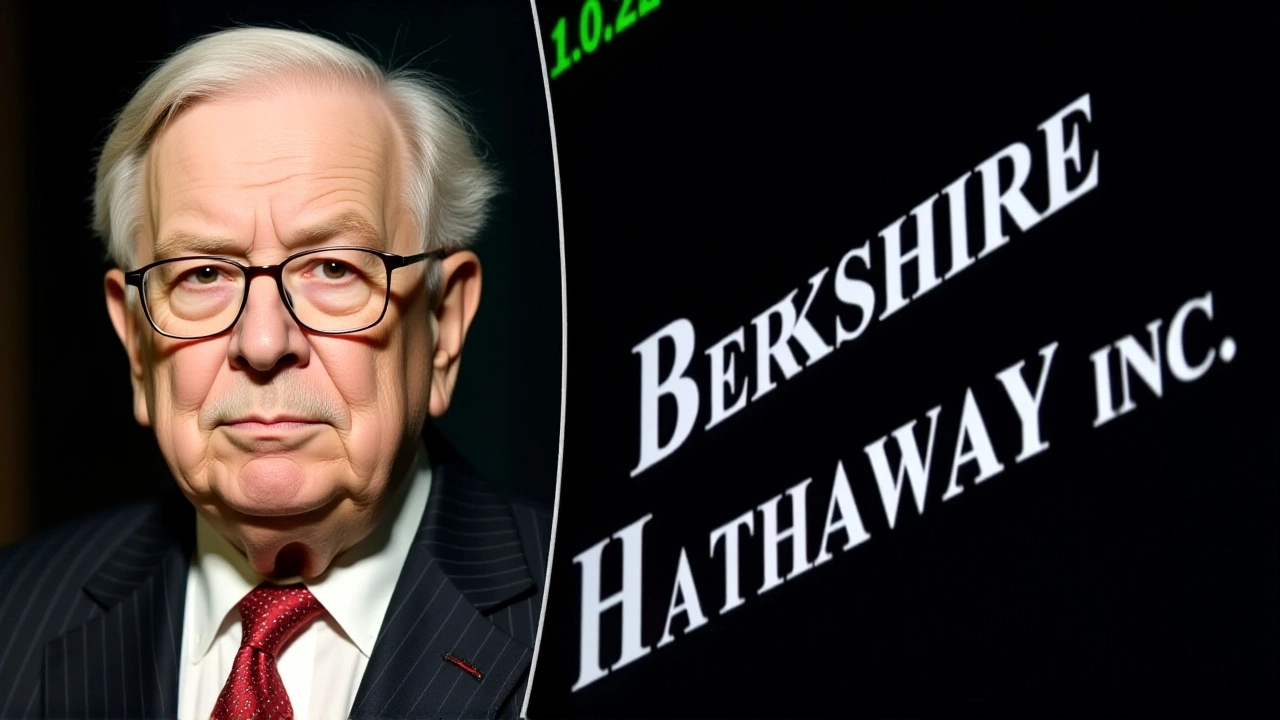
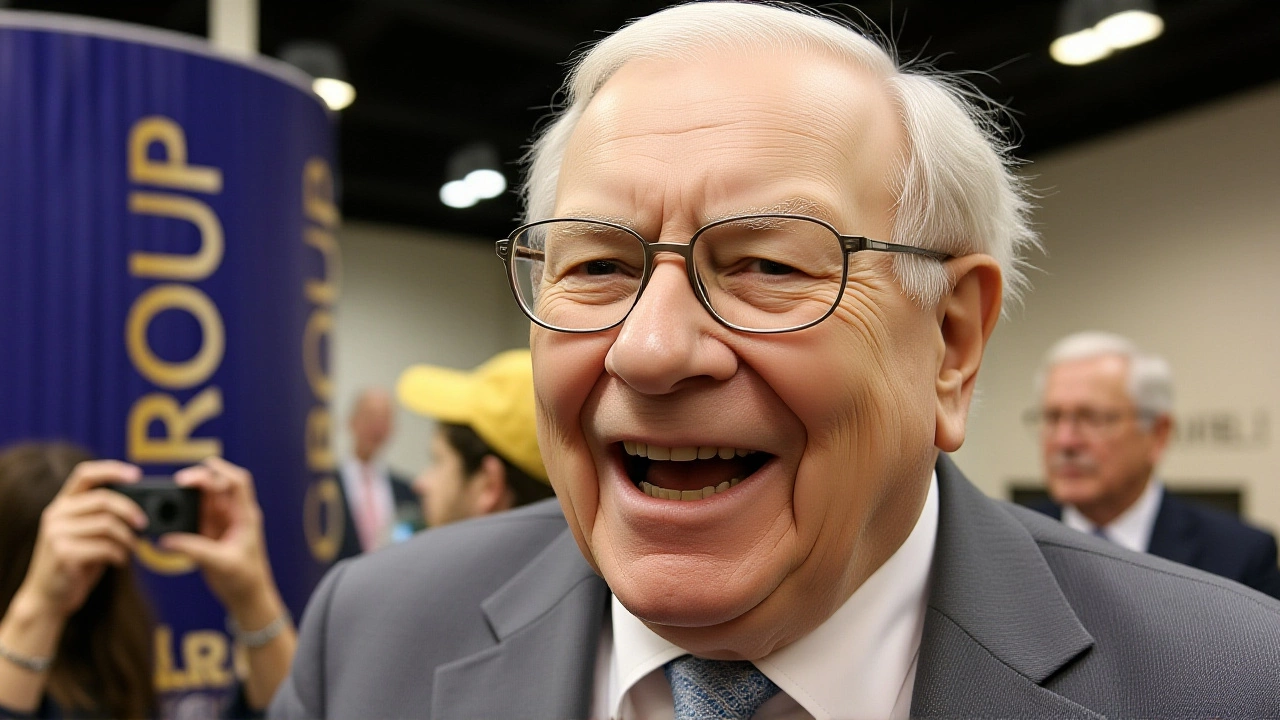
Warren Buffett, the 92-year-old Oracle of Omaha, just did something unthinkable: he bought Alphabet — Google’s parent company — in a move that rewrites the playbook of value investing. On August 14, 2023, Berkshire Hathaway disclosed a $507.2 million stake in Alphabet, holding 4 million shares of Class A stock (GOOG). The timing? After Alphabet’s shares had dropped 15.7% in the second quarter. The message? The man who once called tech stocks "too fast" for him now sees them as unshakeable franchises. This isn’t a tweak. It’s a transformation.
From Skeptic to Student: Buffett’s Tech Reckoning
Just two years ago, Buffett told shareholders at Berkshire’s annual meeting: "We don’t invest in things we don’t understand, and technology moves too fast for us." That quote was gospel among value investors. But things changed. Behind closed doors in Omaha, his lieutenants — Todd Combs, 52, and Ted Weschler, 61 — had been quietly studying Google’s cash machine. By April 10–12, 2023, after reviewing financials and ad trends, Berkshire’s investment committee approved the initial $145 million buy. The decision wasn’t Buffett’s alone. His late partner, Charles T. Munger, had pushed for it in their final meeting in January 2023. "Google’s search monopoly is as durable as any franchise we’ve ever seen," Munger reportedly said. He died less than a year later.
The numbers tell the story. Alphabet generated $75 billion in advertising revenue in 2022 — 78.5% of its total. Its operating margin in Q1 2023? 34.2%. That’s better than Coca-Cola and nearly on par with Apple. And while Buffett once avoided tech because of volatility, Google’s core search and YouTube businesses haven’t changed in a decade. They’re utilities now — invisible, essential, and profitable.
The $11 Billion Precedent: Apple Changed Everything
This isn’t Buffett’s first tech pivot. He started buying Apple in early 2016, when it was trading around $100 a share. By the end of 2022, Apple made up 41.7% of Berkshire’s entire equity portfolio — over $11 billion invested. And it paid off. Apple’s stock tripled. That success gave Combs and Weschler the credibility to push for Alphabet. "If we can understand Apple’s ecosystem," one insider said, "why not Google’s?" The difference? Apple sells gadgets. Google sells attention — and it’s the only company that can target ads with near-perfect precision across billions of devices. That’s not a trend. It’s a monopoly.
And yet, Buffett didn’t rush. He waited. Alphabet’s stock fell from $150 to $126 between April and June 2023. That’s not panic. That’s patience. Berkshire bought in increments — first 1 million shares, then 3 million more — turning a $145 million bet into a half-billion-dollar position. It’s classic value investing, just applied to a sector Buffett once avoided.
Why This Matters Beyond Omaha
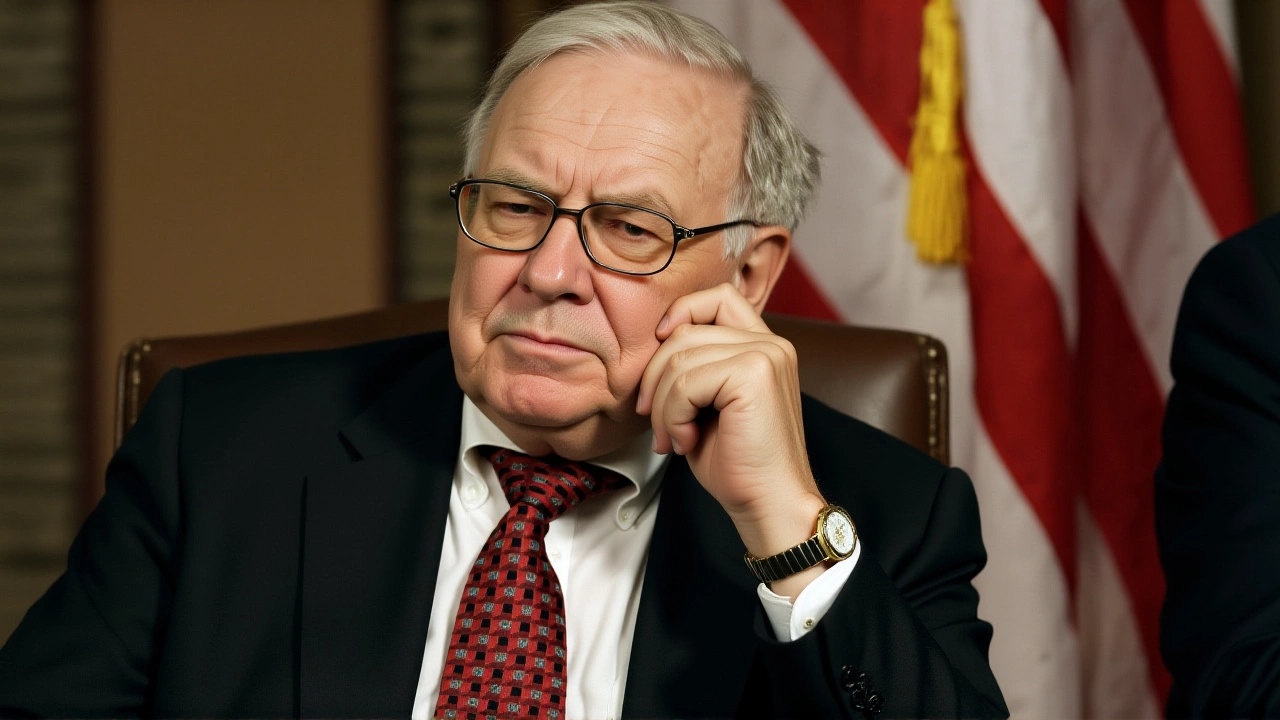
This move isn’t just about Berkshire. It’s a signal to Wall Street. Moody’s analyst Charlie O'Shea put it bluntly in a June 28, 2023 report: "This signals Buffett’s recognition that technology infrastructure is now essential to the American economy, fundamentally altering his value investing framework." In other words: if the most famous value investor in history is buying Google, maybe you should too.
For investors, this confirms a quiet shift: tech isn’t just about growth anymore. It’s about cash flow, durability, and moats. Google’s advertising engine is more predictable than a utility company. It’s not flashy, but it’s reliable. And in a world of inflation, interest rates, and recession fears, reliability is gold.
Meanwhile, Berkshire’s cash pile hit a record $147.4 billion by June 30, 2023 — 24.3% of its total assets. That’s more than the entire market cap of Netflix. Buffett still has firepower. And if he’s willing to buy Alphabet after years of saying no, what’s next? Maybe Microsoft? Maybe Nvidia? The market is watching.
The Bigger Picture: A New Era for Berkshire
Berkshire’s portfolio turnover dropped to 1.2% in Q2 2023 from 1.8% in Q1 — the lowest in years. That’s not an accident. It means the firm is shifting from buying and selling to holding and compounding. The Alphabet stake is now its eighth-largest holding, behind Apple, Bank of America, and Coca-Cola — all long-term anchors. This isn’t speculation. It’s strategic realignment.
And the location? It’s telling. All the decisions were made in Omaha, Nebraska — far from Silicon Valley. The headquarters at 3555 Farnam Street, Omaha, Nebraska still feels like a small-town office. But the ideas flowing from it now shape global markets. Buffett may not code, but he understands systems. And Google’s system? It’s built to last.
What’s Next?
Berkshire isn’t required to disclose further trades until they exceed $5 million. No filings have been made since August 14, meaning the firm likely plans to hold. With Alphabet’s market cap at $1.68 trillion as of June 30, 2023, and Google’s ad revenue still growing, the upside remains strong. If Berkshire adds even 1 million more shares — a modest 25% increase — it would push the stake past $600 million. And if Google’s AI-driven ad tools deliver as promised, that number could soar.
For now, Buffett’s legacy isn’t just about railroads, insurance, and candy bars. It’s also about recognizing when the world changes — and having the courage to change with it.
Frequently Asked Questions
Why did Warren Buffett change his mind about investing in tech companies?
Buffett’s shift wasn’t sudden — it was driven by Apple’s success, which proved tech could offer durable cash flows. Google’s advertising dominance, with $75 billion in 2022 revenue and 34% operating margins, met his criteria for a "moat." His team, led by Todd Combs and Ted Weschler, demonstrated that Google’s core business hadn’t changed in a decade, making it predictable — not volatile.
How does this investment compare to Berkshire’s other tech holdings?
Apple remains Berkshire’s largest tech holding at 41.7% of its equity portfolio, valued at over $11 billion. Alphabet’s $507 million stake is now the eighth-largest holding overall — bigger than Chevron and Kraft Heinz. Unlike Apple’s hardware focus, Alphabet’s revenue comes from advertising, which Buffett now sees as a more stable, recurring income stream.
Who made the decision to buy Alphabet, and how was it approved?
Investment managers Todd Combs and Ted Weschler proposed the purchase after months of analysis. The deal was approved by Berkshire’s investment committee during a meeting in Omaha on April 10–12, 2023. Warren Buffett, while not the initiator, endorsed it — especially after hearing final input from his late partner Charles Munger, who called Google’s search monopoly "as durable as any franchise we’ve ever seen."
What does this mean for other investors?
It signals that even the most conservative investors now see tech infrastructure as essential, not speculative. Google’s ad business isn’t trendy — it’s foundational. If Buffett, who avoids anything he doesn’t understand, now sees value here, it suggests the market may have underestimated the resilience of AI-powered advertising platforms. This could spur institutional buyers to reevaluate tech stocks with strong cash flows.
Is Berkshire likely to buy more Alphabet stock?
Berkshire has $147.4 billion in cash as of June 30, 2023, and has shown no signs of selling Alphabet. With no SEC filings since August 14, 2023, the firm appears committed to holding. If Alphabet’s AI tools boost ad efficiency further, Berkshire may increase its stake — especially if the stock dips again. Buffett’s pattern is to buy more when prices fall.
How does this affect Berkshire’s overall investment strategy?
Berkshire’s portfolio turnover dropped to 1.2% in Q2 2023, its lowest in years, signaling a move from trading to long-term holding. The Alphabet investment, alongside Apple, shows a new phase: tech isn’t just for growth investors anymore. It’s now part of the value framework — if it generates consistent cash flow, has a wide moat, and is understood. Buffett’s legacy is evolving from railroad tycoon to digital-age capitalist.